Κέντρο Εγκεφαλικού
Σπίτι>Κέντρο Εγκεφαλικού>Content
Σπίτι>Κέντρο Εγκεφαλικού>Content
Σχετικά με το εγκεφαλικό επεισόδιο
Το εγκεφαλικό επεισόδιο είναι μια νόσος κατά την οποία η αιματική κυκλοφορία διαταράσσεται λόγω οξείας εγκεφαλαγγειακής νόσου, με αποτέλεσμα μερική ή ολική νευρολογική δυσλειτουργία. Παράλληλα, αποτελεί επίσης μια συχνή νόσο μεταξύ των ηλικιωμένων στη σημερινή κοινωνία, με το ποσοστό εμφάνισης να αυξάνεται χρόνο με τον χρόνο.
Το εγκεφαλικό επεισόδιο χαρακτηρίζεται από υψηλή νοσηρότητα, υψηλό ποσοστό αναπηρίας και υψηλή θνησιμότητα. Περίπου το 85% των ασθενών με εγκεφαλικό παρουσιάζουν διαταραχές κίνησης των άκρων.
Τύποι παράλυσης άκρων μετά από εγκεφαλικό επεισόδιο
Η κινητική παράλυση των άκρων είναι ένα συχνό κλινικό σύμπτωμα και σημείο του εγκεφαλικού επεισοδίου. Διαφορετικές περιοχές της βλάβης μπορούν να οδηγήσουν σε παράλυση διαφορετικών άκρων και σε διαφορετικό βαθμό σοβαρότητας, όπως ημιπληγία, μονοπληγία, τετραπληγία ή διασταυρούμενη παράλυση άκρων.
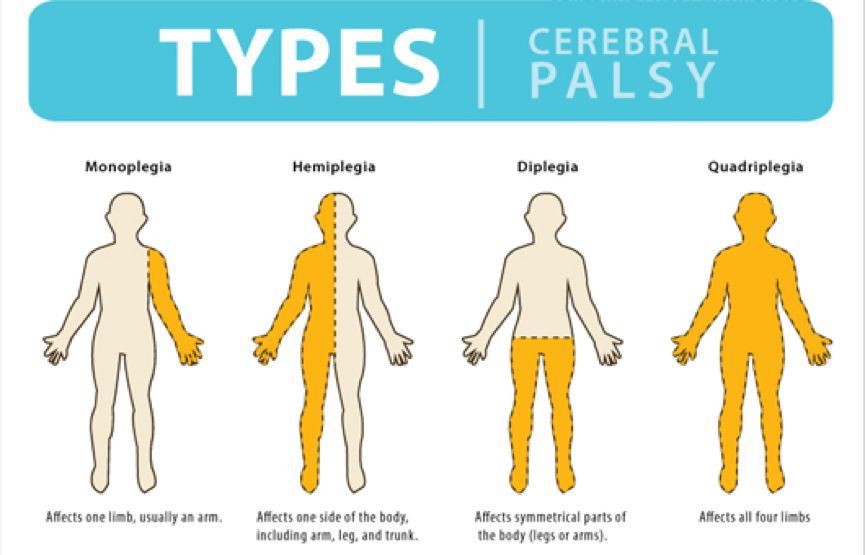
Η δυσλειτουργία του άνω άκρου στην ημιπληγία είναι ένα από τα συχνά συμπτώματα και σημεία του εγκεφαλικού επεισοδίου
Τα άνω άκρα του ανθρώπου χρειάζεται να εκτελούν πιο σύνθετες κινήσεις σε σχέση με τα κάτω άκρα, το κεντρικό νευρικό σύστημα ελέγχου τους είναι πιο πολύπλοκο, και η αποκατάσταση μετά από τραυματισμό είναι πιο αργή. Μετά από 3 μήνες παράλληλης θεραπείας, το 55% έως 75% των ασθενών εξακολουθούν να παρουσιάζουν διαταραχές του άνω άκρου. Η αποκαταστασιακή εκπαίδευση για τους ασθενείς είναι ιδιαίτερα σημαντική. Η αποκαταστασιακή άσκηση που βασίζεται στην «εγκεφαλική πλαστικότητα» είναι μια αποτελεσματική μέθοδος θεραπείας που έχει αποδειχθεί εδώ και καιρό από την κλινική ιατρική πρακτική.
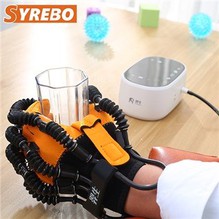
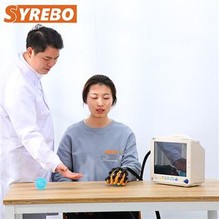
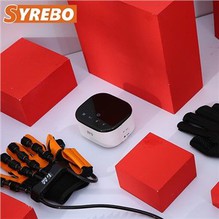
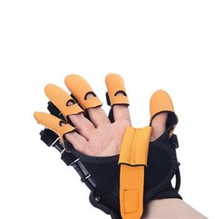
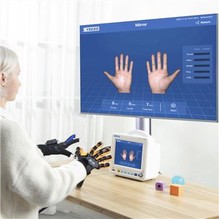
Νέες αντιλήψεις και νέες τεχνολογίες εφαρμόζονται όλο και περισσότερο στις υπηρεσίες αποκαταστασιακής ιατρικής. Η ρομποτική τεχνολογία εισάγεται στον τομέα της αποκαταστασιακής θεραπείας, αξιοποιώντας τα χαρακτηριστικά υψηλής έντασης και επαναληψιμότητας, ευφυούς ανάδρασης και αλληλεπίδρασης, καθώς και προσανατολισμού σε συγκεκριμένα καθήκοντα των ρομπότ, επιτρέποντάς τους να εκτελούν βαριά εργασία αντί των φυσικοθεραπευτών.